
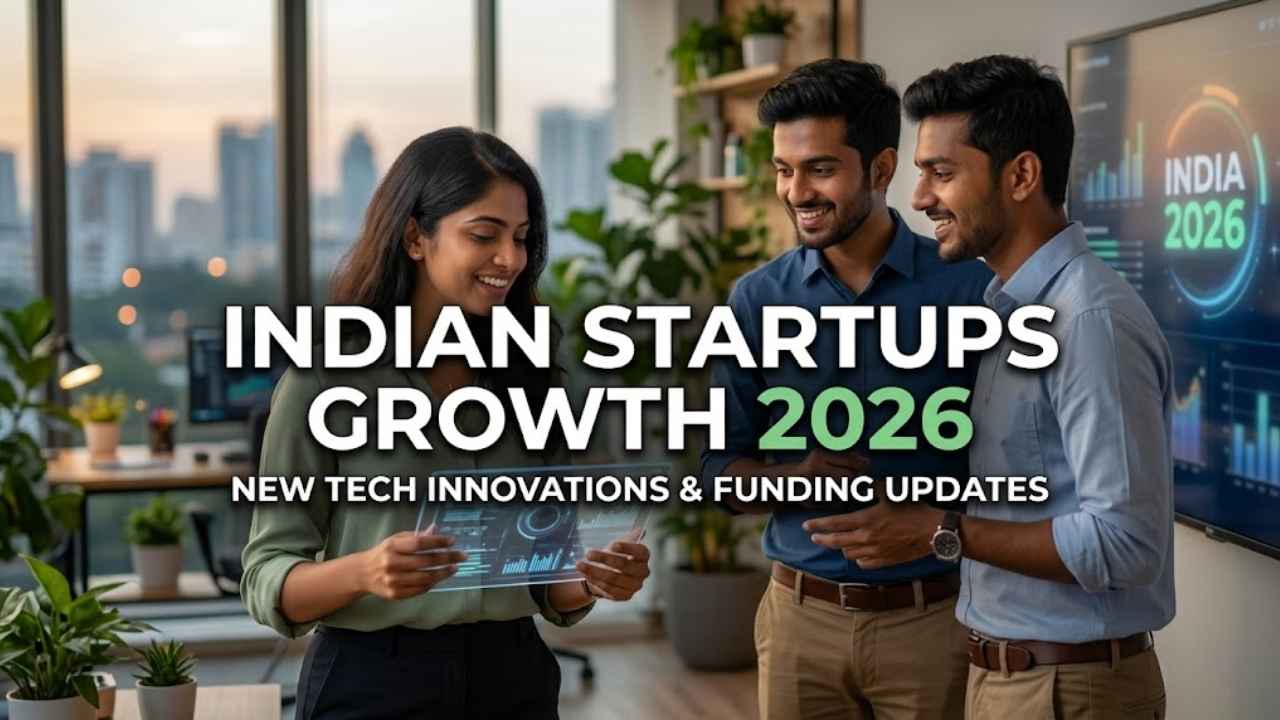
India’s startup ecosystem has emerged as one of the fastest-growing in the world, driven by innovation, digital transformation, and strong investor confidence. In 2026, Indian startups are expanding across sectors such as fintech, edtech, healthtech, artificial intelligence, and e-commerce. With support from government initiatives and global funding, startups are not only creating new technologies but also generating employment opportunities across the country.
Organizations like Startup India have played a key role in encouraging entrepreneurship by providing funding support, tax benefits, and mentorship programs. The ecosystem has produced several unicorns, and companies such as Flipkart and Paytm have become global success stories.
For more details:
- Wikipedia: https://en.wikipedia.org/wiki/Startup_India
- Careers Pages:
Leading Startup Models and Competitors
Indian startups operate on multiple business models that drive growth and innovation.
Popular Startup Models
- E-commerce platforms
- Fintech solutions
- SaaS (Software as a Service)
- Healthtech platforms
- Edtech services
Companies like Zomato and Swiggy have revolutionized the food delivery market, while fintech companies like Paytm and PhonePe dominate digital payments.
Competitors and Market Growth
Competition among startups leads to rapid innovation and better services. For example, Zomato and Swiggy constantly compete on delivery speed, pricing, and customer experience. Similarly, fintech startups compete on transaction speed, security, and cashback offers.
This competitive environment benefits consumers while pushing companies to continuously improve their products and services.
Investment Trends in Indian Startup Ecosystem
Investment in Indian startups has increased significantly, with venture capital firms and global investors funding innovative ideas.
Key Investment Areas
- Artificial Intelligence
- Blockchain technology
- Electric mobility
- Cloud computing
- Logistics and supply chain
Companies like Byju’s and Ola have attracted billions in funding, enabling expansion into new markets and services.
Startup Infrastructure and Development Centers
Unlike traditional manufacturing companies, startups operate through offices, tech hubs, and innovation centers.
Major Startup Hubs in India
- Bengaluru
- Hyderabad
- Gurugram
- Pune
Products and Services
- Mobile apps
- Online platforms
- Digital services
- Software solutions
Startups focus on innovation rather than physical manufacturing, though some sectors like EV and hardware startups do maintain production units.
Entry-Level Jobs in Startups (Helper Roles)
Startups offer multiple entry-level job opportunities for freshers and non-technical candidates.
Responsibilities
- Office support tasks
- Data entry
- Packaging and logistics support
- Customer assistance
Eligibility
- Minimum 10th or 12th pass
Age Limit
- 18 to 35 years
Skills Required
- Basic computer knowledge
- Communication skills
- Teamwork
Salary Range
- ₹12,000 – ₹25,000 per month
Benefits
- Flexible work environment
- Growth opportunities
- Skill development
Other Job Roles in Startups
Startups offer diverse career opportunities:
- Software developer
- Data analyst
- Marketing executive
- Customer support
- Operations manager
- Delivery and logistics staff
These roles provide higher salaries and long-term career growth.
Salary Table for Startup Jobs
| Job Role | Monthly Salary (INR) |
|---|---|
| Helper | 12,000 – 25,000 |
| Customer Support | 15,000 – 40,000 |
| Developer | 40,000 – 2,00,000 |
| Data Analyst | 30,000 – 1,50,000 |
| Marketing Executive | 20,000 – 80,000 |
Application Process for Startup Jobs
Step 1: Visit Official Careers Pages
- Flipkart Careers: https://careers.flipkart.com
- Paytm Careers: https://jobs.paytm.com
Step 2: Use Job Portals
- Naukri
- Indeed
Step 3: Apply Online
- Upload resume
- Fill application form
Step 4: Attend Interviews
- HR round
- Technical round
Step 5: Apprenticeships
Many startups offer internship and apprenticeship programs for freshers.
FAQs
What education is required?
Minimum 10th, 12th, or graduation depending on role
Is experience necessary?
Not required for entry-level jobs
Job type?
Permanent and contract roles available
Work shifts?
Flexible or rotational shifts
Growth opportunities?
High growth potential in startups
How to verify job authenticity?
Apply only through official websites
Tips for Applicants
Verify Job Offers
Avoid fraud by checking official websites and company details
Improve Skills
Learn digital tools, communication, and basic technical skills
Stay Physically and Mentally Fit
Important for maintaining productivity
Focus on Growth
Startups provide fast career growth for skilled individuals
Startup Ecosystem Expansion in Tier-2 Cities
Indian startups are expanding beyond metro cities into Tier-2 and Tier-3 cities. Cities like Jaipur and Indore are becoming startup hubs due to lower operational costs and availability of talent. This expansion is creating new job opportunities and encouraging local entrepreneurship.
Role of Government Policies
Government initiatives such as Startup India and Digital India are supporting startup growth through funding, tax benefits, and infrastructure development. These policies encourage innovation and attract global investors.
Impact of Technology on Startups
Technologies like AI, machine learning, and blockchain are transforming startup operations. These technologies improve efficiency, reduce costs, and enhance customer experience.
Future Trends in Indian Startups
Startups in 2026 are expected to focus on:
- AI-driven solutions
- Sustainable technologies
- Electric mobility
- Fintech innovations
Work Culture in Startups
Startup work culture is dynamic and flexible. Employees often work in collaborative environments with opportunities to learn and grow. Startups encourage creativity, innovation, and problem-solving.
Funding and Unicorn Growth
India continues to produce unicorn startups valued at over $1 billion. Increased funding from global investors is driving this growth.
Digital Transformation and Startups
Startups are leading India’s digital transformation by offering innovative solutions in e-commerce, fintech, and healthcare.
Challenges Faced by Startups
Despite growth, startups face challenges such as funding risks, competition, and regulatory issues. Overcoming these challenges requires strategic planning and innovation.
Conclusion
Indian startups in 2026 are driving economic growth, innovation, and job creation. With strong government support, increasing investments, and technological advancements, the startup ecosystem offers immense opportunities for entrepreneurs and job seekers. Entry-level jobs provide a starting point for career growth, while advanced roles offer high salaries and professional development.
Rise of AI-Based Startups in India
Artificial intelligence is becoming the backbone of many Indian startups in 2026. Companies are leveraging AI for automation, predictive analytics, and customer personalization. Startups in sectors like healthcare, finance, and retail are integrating AI-driven chatbots, recommendation engines, and fraud detection systems. Organizations such as Infosys are also collaborating with startups to accelerate AI adoption. These innovations improve efficiency, reduce operational costs, and enhance user experience. AI startups are attracting strong venture capital funding due to their scalability and global potential. With increasing demand for automation, AI-focused startups are expected to dominate the next phase of digital transformation in India, creating high-paying jobs and redefining business processes across industries.
Growth of Fintech Startups in Digital India
Fintech startups are playing a crucial role in transforming India’s financial ecosystem. Digital payment platforms, lending apps, and wealth management tools are gaining popularity among users. Companies like PhonePe are leading this revolution by offering seamless and secure financial services. The rise of UPI transactions has further boosted fintech growth. Startups are focusing on financial inclusion, bringing banking services to rural and underserved areas. With strong government support and increasing smartphone penetration, fintech startups are expanding rapidly. These companies are also integrating AI and blockchain technologies to improve security and efficiency, making financial services more accessible and reliable for millions of users.
Expansion of Edtech Platforms
The education sector has been transformed by edtech startups offering online learning solutions. Platforms provide courses, test preparation, and skill development programs accessible from anywhere. Companies like Unacademy are expanding their offerings with interactive content and live classes. Edtech startups are bridging the gap between traditional education and modern learning needs. With the rise of remote learning, these platforms are attracting significant investments. They are also creating employment opportunities for educators, content creators, and technical staff. The demand for online education is expected to grow further, making edtech a key segment in India’s startup ecosystem.
Healthtech Innovations and Startups
Healthtech startups are revolutionizing healthcare services in India. Telemedicine platforms, digital diagnostics, and health monitoring apps are improving access to medical care. Companies such as Practo are providing online consultations and health management solutions. These innovations are particularly beneficial in rural areas where healthcare facilities are limited. Healthtech startups are also integrating AI for disease prediction and patient data analysis. The sector is attracting investments due to its potential to improve healthcare delivery and reduce costs. As awareness about digital healthcare increases, healthtech startups are expected to grow significantly in 2026.
E-commerce Startups and Market Expansion
E-commerce startups continue to dominate the Indian market with innovative business models. Online platforms offer a wide range of products, fast delivery, and competitive pricing. Companies like Meesho are enabling small businesses and individuals to sell products online. The growth of e-commerce is driven by increasing internet penetration and changing consumer behavior. Startups are focusing on improving logistics, customer experience, and payment systems. The sector is also creating employment opportunities in warehousing, delivery, and customer support. E-commerce startups are expected to expand further, contributing to India’s economic growth.
Role of SaaS Startups in Global Market
Software as a Service startups from India are gaining global recognition. These companies provide cloud-based solutions for businesses worldwide. Startups are developing tools for customer relationship management, project management, and data analytics. SaaS startups offer scalable solutions, making them attractive to international clients. India’s strong IT talent pool supports the growth of this sector. SaaS companies generate revenue through subscription models, ensuring steady income. The global demand for digital transformation is driving the growth of Indian SaaS startups, positioning them as key players in the international market.
Logistics and Delivery Startups Growth
Logistics startups are transforming supply chain management in India. Companies are using technology to optimize delivery routes, reduce costs, and improve efficiency. Startups are also integrating real-time tracking systems for better customer experience. The growth of e-commerce has increased demand for logistics services, leading to the expansion of this sector. Logistics startups are creating jobs in transportation, warehousing, and operations. The use of AI and automation is further improving efficiency. As the demand for fast delivery continues to rise, logistics startups are expected to play a crucial role in the Indian economy.
Electric Mobility Startups in India
Electric mobility startups are gaining momentum as India focuses on sustainable transportation. Companies are developing electric vehicles, charging infrastructure, and battery technologies. Startups are contributing to reducing carbon emissions and promoting clean energy. Government incentives and subsidies are encouraging the growth of EV startups. The sector is attracting investments from both domestic and international investors. Electric mobility startups are also creating job opportunities in manufacturing, maintenance, and operations. As awareness about environmental sustainability increases, this sector is expected to grow rapidly in 2026.
Blockchain Startups and Security Solutions
Blockchain technology is being adopted by startups to enhance security and transparency. Startups are developing solutions for secure transactions, supply chain management, and digital identity verification. Blockchain-based platforms reduce fraud and improve data integrity. The technology is particularly useful in finance, healthcare, and logistics sectors. Startups focusing on blockchain are attracting investors due to their innovative approach. As digital transactions increase, the demand for secure systems is also rising. Blockchain startups are expected to play a significant role in India’s digital transformation.
Startup Funding Stages Explained
| Funding Stage | Description | Investment Range |
|---|---|---|
| Seed Funding | Initial stage funding for idea development | ₹10 lakh – ₹5 crore |
| Series A | Growth stage for scaling operations | ₹5 crore – ₹50 crore |
| Series B | Expansion and market penetration | ₹50 crore – ₹200 crore |
| Series C+ | Large-scale growth and global expansion | ₹200 crore+ |
Understanding funding stages helps entrepreneurs plan their business growth and attract investors effectively.
Growth of Agritech Startups in India
Agritech startups are transforming the agricultural sector by introducing technology-driven solutions for farmers. These startups provide services such as crop monitoring, weather forecasting, and supply chain management. Companies are using AI and IoT devices to improve productivity and reduce risks in farming. Agritech platforms connect farmers directly with buyers, eliminating middlemen and increasing profits. The sector is gaining attention due to its potential to modernize traditional farming practices. With India being an agriculture-based economy, agritech startups are playing a crucial role in improving efficiency and sustainability. Government support and investment are further boosting this segment in 2026.
Rise of Direct-to-Consumer (D2C) Brands
Direct-to-consumer startups are gaining popularity by selling products directly to customers without intermediaries. Brands are leveraging digital platforms and social media marketing to reach target audiences. This model helps reduce costs and improve customer engagement. D2C startups focus on personalized experiences, quality products, and faster delivery. The growth of e-commerce and digital payments has supported this trend. Many startups are building strong brand identities through storytelling and influencer marketing. The D2C model is expected to grow rapidly, offering opportunities for entrepreneurs and marketers in India’s evolving startup ecosystem.
Importance of Digital Marketing in Startups
Digital marketing is a key factor in the success of modern startups. Companies use online platforms such as search engines, social media, and email marketing to promote their products and services. Startups rely on digital campaigns to reach a wider audience at a lower cost compared to traditional marketing methods. Techniques like SEO, content marketing, and paid advertising help increase brand visibility and customer engagement. Data analytics allows startups to track campaign performance and optimize strategies. As competition increases, digital marketing skills are becoming essential for startup growth and success.
Role of Incubators and Accelerators
Startup incubators and accelerators provide essential support to new businesses. These organizations offer mentorship, funding, office space, and networking opportunities. They help startups refine their ideas, develop business models, and scale operations. Incubators focus on early-stage startups, while accelerators support growth-stage companies. Many successful startups have benefited from these programs. They also connect entrepreneurs with investors and industry experts. The presence of incubators and accelerators strengthens the startup ecosystem by nurturing innovation and reducing the risk of failure.
Future Opportunities for Entrepreneurs
The future of Indian startups looks promising with continuous innovation and investment. Emerging technologies such as artificial intelligence, blockchain, and clean energy are creating new opportunities for entrepreneurs. Startups are expected to focus on solving real-world problems and improving quality of life. Government initiatives and global partnerships are further supporting this growth. Entrepreneurs who adapt to changing market trends and invest in technology will have a competitive advantage. The startup ecosystem in India is evolving rapidly, offering vast opportunities for growth, employment, and economic development.

Dedicated to researching and publishing informative content related to gig work, freelance opportunities, remote jobs, online earning options, and career development. Committed to delivering accurate, reader-friendly, and useful information for individuals seeking flexible work opportunities.