
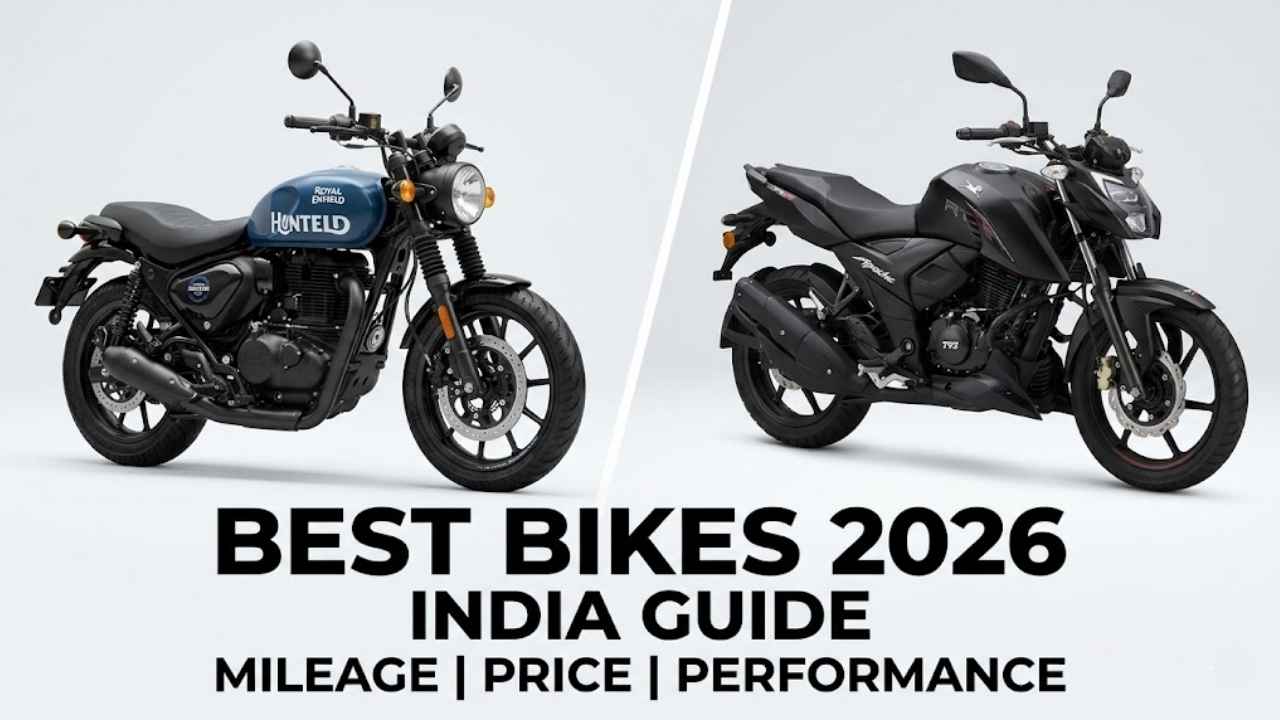
India’s two-wheeler market continues to grow rapidly, driven by affordability, fuel efficiency, and increasing demand for personal mobility. In 2026, bikes are not only a means of transportation but also a reflection of lifestyle, performance, and technology. From commuter bikes to high-performance machines, Indian consumers have a wide range of options based on budget, mileage, and features.
Leading manufacturers such as Hero MotoCorp, Bajaj Auto, and TVS Motor Company dominate the market with innovative products and strong distribution networks. The Indian two-wheeler industry began its journey decades ago and has evolved into one of the largest markets globally.
For more details:
- Wikipedia: https://en.wikipedia.org/wiki/Motorcycle
- Careers Pages:
Top Bike Models and Competitors in 2026
The Indian bike market is highly competitive, with companies constantly launching new models to meet consumer demand.
Popular Bike Segments
- Commuter Bikes (100cc–125cc)
- Sports Bikes (150cc–300cc)
- Cruiser Bikes
- Electric Bikes
Popular models include:
- Hero Splendor Plus – Known for mileage
- Bajaj Pulsar NS200 – Performance-focused
- TVS Apache RTR 160 – Sporty design
Competitors and Market Position
Competition among manufacturers drives innovation in mileage, safety, and features.
- Hero MotoCorp vs Honda
- Bajaj Auto vs KTM
- TVS vs Yamaha
This competition benefits customers with better products and pricing.
Investment and Industry Expansion
The Indian bike industry is witnessing major investments in:
- Electric vehicle technology
- Battery innovation
- Smart connectivity features
Companies like Ola Electric are entering the market with electric bikes, increasing competition and innovation.
Manufacturing Plants and Production
India has several major manufacturing hubs for bikes:
- Gurugram
- Pune
- Chennai
Products Manufactured
- Motorcycles
- Scooters
- Electric bikes
- Spare parts
Manufacturing plants use advanced robotics and automation to ensure quality production and efficiency.
Entry-Level Jobs in Bike Manufacturing (Helper Roles)
The bike industry offers multiple job opportunities for entry-level candidates.
Responsibilities
- Assisting in assembly line
- Handling materials
- Supporting technicians
- Maintaining cleanliness
Eligibility
- Minimum 10th or 12th pass
Age Limit
- 18 to 35 years
Skills Required
- Basic technical knowledge
- Physical fitness
- Teamwork
Salary Range
- ₹12,000 – ₹20,000 per month
Benefits
- Job stability
- Training programs
- Career growth
Other Job Roles in Bike Industry
Apart from helper roles, there are many career options:
- Assembly line operator
- Quality inspector
- Technician
- Warehouse staff
- Security guard
- Driver
These roles offer higher salaries and long-term growth opportunities.
Salary Table for Bike Industry Jobs
| Job Role | Monthly Salary (INR) |
|---|---|
| Helper | 12,000 – 20,000 |
| Technician | 20,000 – 50,000 |
| Quality Inspector | 25,000 – 60,000 |
| Engineer | 40,000 – 1,50,000 |
| Warehouse Staff | 15,000 – 30,000 |
Application Process for Bike Jobs
Step 1: Visit Official Careers Pages
- Hero MotoCorp Careers
- Bajaj Auto Careers
- TVS Motor Careers
Step 2: Apply Through Job Portals
- Naukri
- Indeed
Step 3: Submit Application
- Upload resume
- Fill application details
Step 4: Interview Process
- HR interview
- Technical interview
Step 5: Apprenticeship Programs
Many companies offer apprenticeship programs for freshers.
FAQs
What education is required?
10th, 12th, or diploma
Is experience required?
Not mandatory for entry-level roles
Job type?
Permanent and contract
Work shifts?
Day and night shifts
Growth opportunities?
High with experience
Tips for Applicants
Verify Job Offers
Apply only through official websites
Improve Skills
Learn technical and mechanical skills
Stay Fit
Important for physical work
Focus on Growth
Gain experience and upgrade skills
Mileage Comparison of Popular Bikes
| Bike Model | Mileage (km/l) | Price Range |
|---|---|---|
| Hero Splendor Plus | 60–70 | ₹70,000 – ₹85,000 |
| Bajaj Pulsar NS200 | 35–40 | ₹1.5 lakh – ₹1.7 lakh |
| TVS Apache RTR 160 | 45–50 | ₹1.2 lakh – ₹1.4 lakh |
Performance and Engine Technology
Modern bikes in 2026 come with advanced engine technologies such as fuel injection, liquid cooling, and improved combustion systems. These technologies enhance performance, reduce emissions, and improve fuel efficiency.
Rise of Electric Bikes in India
Electric bikes are gaining popularity due to environmental concerns and rising fuel prices. They offer lower running costs and reduced emissions, making them a sustainable choice for consumers.
Future Trends in Bike Industry
- Electric mobility growth
- Smart connectivity features
- Improved safety systems
- Lightweight materials
Conclusion
The Indian bike market in 2026 offers a wide range of options for consumers based on mileage, price, and performance. With strong competition, technological advancements, and growing demand, the industry continues to evolve. For job seekers, the bike manufacturing sector provides stable employment opportunities and career growth. Whether you are a buyer or a job seeker, the bike industry in India presents exciting opportunities for the future.
Evolution of Commuter Bikes in India
Commuter bikes continue to dominate the Indian two-wheeler market due to their affordability and fuel efficiency. In 2026, manufacturers are focusing on improving engine refinement, mileage, and comfort for daily riders. Bikes in the 100cc–125cc segment are designed for city commuting, offering smooth performance and low maintenance costs. Companies are integrating features such as digital instrument clusters, LED lighting, and better suspension systems to enhance rider experience. The demand for commuter bikes remains high among office workers, students, and delivery professionals. With increasing fuel prices, buyers prefer bikes that provide higher mileage and durability. Manufacturers are also improving design aesthetics to attract younger customers. The commuter segment is expected to remain the backbone of the Indian bike market, contributing significantly to overall sales and employment opportunities in manufacturing and service sectors.
Growth of Sports Bikes Segment
Sports bikes are gaining popularity among young riders who seek performance and style. In 2026, the 150cc–300cc segment is witnessing strong growth with models offering powerful engines, aggressive design, and advanced features. Manufacturers are introducing dual-channel ABS, traction control, and ride modes to enhance safety and performance. Sports bikes are ideal for both city riding and highway touring. The increasing disposable income and aspirational buying behavior among youth are driving demand in this segment. Brands are also focusing on marketing strategies that highlight speed, design, and brand value. The sports bike segment is expected to grow further, attracting enthusiasts who prioritize performance and aesthetics over fuel efficiency.
Cruiser Bikes and Long-Distance Riding
Cruiser bikes are becoming popular among riders who enjoy long-distance travel and comfort. In 2026, cruiser bikes feature relaxed seating positions, powerful engines, and stylish designs. These bikes are designed for highway cruising, offering stability and comfort during long rides. Manufacturers are focusing on improving fuel efficiency and adding modern features such as navigation systems and connectivity options. Cruiser bikes appeal to riders who value comfort and premium design. The growing culture of road trips and biking communities is contributing to the rise of this segment. As more riders explore long-distance travel, cruiser bikes are expected to gain a larger market share.
Electric Bike Adoption in Urban Areas
Electric bikes are rapidly gaining acceptance in urban areas due to rising fuel costs and environmental concerns. In 2026, electric bikes offer improved battery range, faster charging, and better performance. Government incentives and subsidies are encouraging consumers to switch to electric mobility. Electric bikes are ideal for city commuting, offering low running costs and minimal maintenance. Charging infrastructure is expanding, making it easier for users to adopt electric vehicles. Manufacturers are investing heavily in research and development to improve battery technology. The shift towards electric bikes is expected to transform the Indian two-wheeler market in the coming years.
Safety Features in Modern Bikes
Safety has become a top priority in the Indian bike market. In 2026, bikes are equipped with advanced safety features such as anti-lock braking systems (ABS), traction control, and improved braking systems. Manufacturers are also focusing on better lighting systems, including LED headlamps and tail lamps, to enhance visibility. Protective gear such as helmets and riding jackets is also gaining importance among riders. Government regulations are enforcing stricter safety standards, ensuring that bikes meet quality requirements. These improvements are reducing accidents and increasing rider confidence. Safety features are now a key factor influencing purchasing decisions.
Smart Connectivity and Digital Features
Modern bikes in 2026 come with smart connectivity features that enhance convenience and user experience. Digital instrument clusters, Bluetooth connectivity, and mobile app integration allow riders to access navigation, call alerts, and vehicle diagnostics. These features make bikes more user-friendly and technologically advanced. Manufacturers are focusing on integrating IoT technology to provide real-time data and remote monitoring. Smart features are particularly popular among younger riders who prefer connected devices. This trend is expected to continue, with more advanced features being introduced in future models.
Maintenance and Service Costs
| Bike Type | Average Service Cost (INR) | Frequency |
|---|---|---|
| Commuter Bikes | 1,000 – 2,000 | Every 3 months |
| Sports Bikes | 2,000 – 5,000 | Every 3–4 months |
| Cruiser Bikes | 3,000 – 6,000 | Every 4 months |
| Electric Bikes | 500 – 1,500 | Every 6 months |
Maintenance costs vary depending on bike type and usage. Regular servicing ensures better performance and longer lifespan.
Role of Dealership Networks
Dealership networks play a crucial role in the success of bike manufacturers. In 2026, companies are expanding their dealership presence in both urban and rural areas. Dealerships provide sales, service, and customer support, ensuring a smooth buying experience. Trained staff assist customers in selecting the right bike based on their needs and budget. Service centers offer maintenance and repair services, enhancing customer satisfaction. A strong dealership network helps manufacturers increase sales and build brand loyalty.
Financing Options for Bike Buyers
Financing options make it easier for customers to purchase bikes. In 2026, banks and financial institutions offer loans with flexible repayment options and low interest rates. Buyers can choose EMI plans based on their income and budget. Financing schemes are available for both new and used bikes. Easy financing has increased bike ownership, especially among young professionals. Manufacturers also collaborate with financial institutions to provide attractive offers and discounts.
Insurance Policies for Bikes
Bike insurance is essential for protecting against accidents and damages. In 2026, insurance policies offer comprehensive coverage, including third-party liability and own damage protection. Customers can choose add-ons such as zero depreciation and roadside assistance. Digital platforms have simplified the process of purchasing and renewing insurance. Proper insurance coverage ensures financial security and compliance with legal requirements.
Resale Value and Depreciation
Resale value is an important factor for bike buyers. In 2026, brands with strong reliability and service networks offer better resale value. Depreciation depends on factors such as usage, maintenance, and market demand. Bikes with good mileage and low maintenance costs retain higher value. Understanding resale trends helps buyers make informed decisions.
Role of Government Policies
Government policies play a significant role in shaping the bike industry. Regulations related to emissions, safety, and fuel efficiency influence manufacturing processes. Incentives for electric vehicles encourage adoption and innovation. Policies supporting infrastructure development improve connectivity and market growth.
Export of Indian Bikes
Indian bike manufacturers export products to various countries, contributing to global presence. In 2026, exports include commuter bikes, sports bikes, and electric models. Competitive pricing and quality standards make Indian bikes popular in international markets. Export growth supports industry expansion and job creation.
Impact of Fuel Prices on Bike Demand
Rising fuel prices influence consumer preferences towards fuel-efficient bikes. In 2026, buyers prioritize mileage and low running costs. This trend drives demand for commuter and electric bikes. Manufacturers focus on improving fuel efficiency to meet consumer needs.
Growth of Bike Rental Services
Bike rental services are becoming popular in urban areas. In 2026, these services offer affordable and convenient transportation options. Tourists and daily commuters use rental bikes for short-term needs. This trend supports the sharing economy and reduces traffic congestion.
Role of Aftermarket Accessories
Aftermarket accessories enhance bike performance and aesthetics. In 2026, riders invest in accessories such as helmets, seat covers, and performance upgrades. The aftermarket industry is growing, offering a wide range of products.
Women Riders and Market Expansion
The number of women riders is increasing in India. In 2026, manufacturers are designing bikes with lighter weight and comfortable ergonomics. This trend is expanding the market and promoting inclusivity.
Environmental Impact and Sustainability
Sustainability is becoming a key focus in the bike industry. Manufacturers are adopting eco-friendly practices and developing electric bikes. Reducing emissions and promoting clean energy are essential for long-term growth.
Role of Technology in Manufacturing
Advanced manufacturing technologies improve efficiency and quality. Automation, robotics, and AI are used in production processes. These technologies reduce errors and increase productivity.
Growth of Used Bike Market
The used bike market is expanding due to affordability and availability. In 2026, online platforms make it easier to buy and sell used bikes. This segment provides cost-effective options for buyers.
Importance of Test Rides
Test rides help customers evaluate bike performance before purchase. In 2026, dealerships encourage test rides to improve customer satisfaction. This practice helps buyers make informed decisions.
Seasonal Demand in Bike Sales
Bike sales fluctuate based on seasons and festivals. In 2026, festive seasons see increased demand due to discounts and offers. Understanding seasonal trends helps manufacturers plan production and marketing.
Role of Advertising and Branding
Advertising plays a crucial role in attracting customers. In 2026, brands use digital marketing and influencer collaborations to promote bikes. Strong branding helps build customer trust and loyalty.
Future of Indian Bike Industry
The future of the Indian bike industry looks promising with technological advancements and growing demand. Electric mobility, smart features, and sustainable practices will shape the industry in the coming years.

Dedicated to researching and publishing informative content related to gig work, freelance opportunities, remote jobs, online earning options, and career development. Committed to delivering accurate, reader-friendly, and useful information for individuals seeking flexible work opportunities.