
Introduction
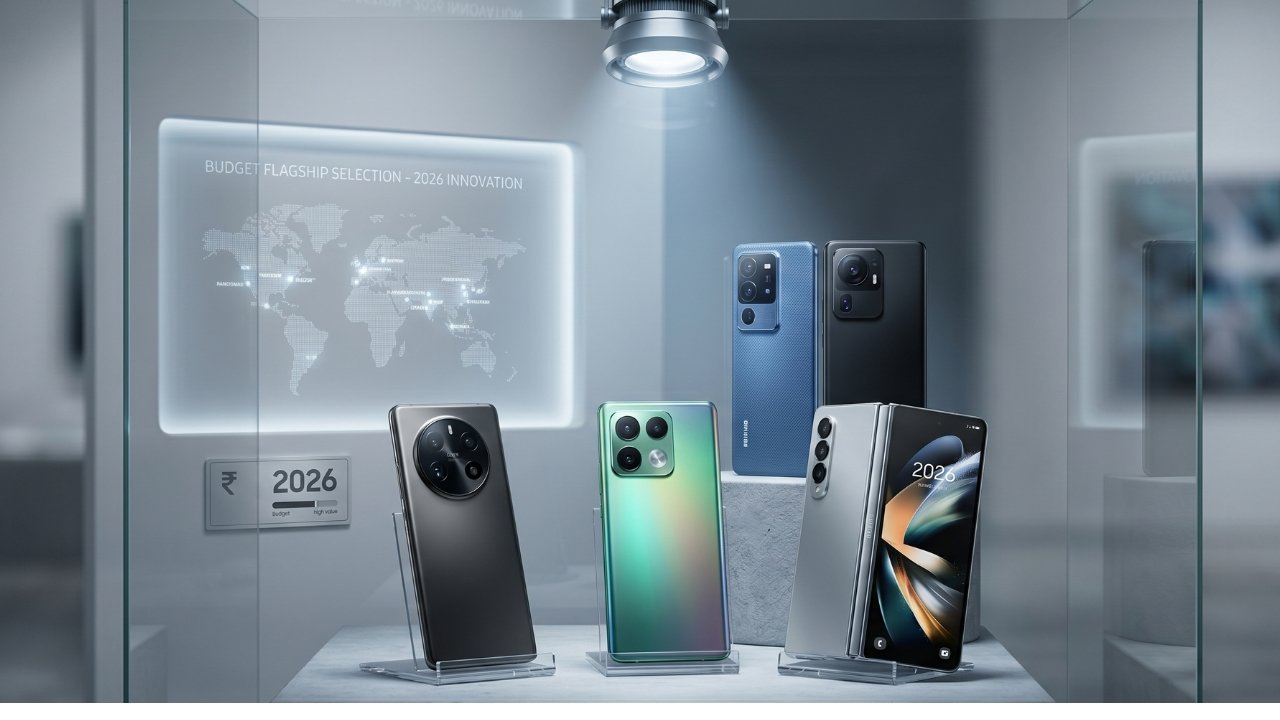
The Indian smartphone market in 2026 is more competitive than ever. Consumers no longer need to spend ₹50,000 or ₹70,000 to enjoy premium smartphone experiences. The sub-₹30,000 segment has become one of the most exciting categories because it offers flagship-inspired features at significantly lower prices. Manufacturers are introducing powerful processors, advanced camera systems, AMOLED displays, fast charging technologies, and AI-powered software enhancements to attract buyers looking for maximum value.
For Indian consumers, smartphones have become essential tools for work, education, entertainment, digital payments, content creation, and communication. Students require performance for online learning and gaming. Professionals need reliable devices for productivity and video conferencing. Female users and madam consumers often prioritize camera quality, selfie performance, stylish designs, and social media-friendly features. As a result, smartphone brands are investing heavily in balancing performance, photography, battery life, and aesthetics within the ₹30,000 price category.
This guide explores the best new smartphones under ₹30,000 released in 2026, industry trends, major brands, employment opportunities within the smartphone ecosystem, salary structures, hiring trends, and future market prospects.
Industry & Market Background
India remains one of the largest smartphone markets globally. Rising internet penetration, affordable data plans, digital banking adoption, and increasing demand for premium experiences have accelerated smartphone sales. The under-₹30,000 category represents a sweet spot where consumers can access near-flagship features without paying premium flagship prices.
Major trends driving growth include:
- Increased demand for 5G smartphones
- AI-powered smartphone experiences
- Advanced mobile photography
- High-refresh-rate AMOLED displays
- Fast charging technology
- Gaming-focused smartphones
- Enhanced battery performance
- Content creation tools
The market continues expanding because consumers increasingly depend on smartphones for both personal and professional activities.
About the Smartphone Industry
The smartphone industry combines hardware innovation, software development, manufacturing operations, retail distribution, logistics management, customer service, and digital marketing. Global and Indian brands compete aggressively by introducing innovative products at different price points.
Major industry achievements include:
- Expansion of local manufacturing
- Increased 5G adoption
- Advanced camera technology
- AI integration
- Sustainable manufacturing initiatives
- Growth of smartphone exports
- Development of premium budget devices
The smartphone ecosystem also generates significant employment opportunities across manufacturing, engineering, sales, customer support, logistics, and marketing sectors.
Major Products, Services, Operations and Work Areas
The smartphone industry involves several departments and operational areas:
Product Development
Engineers and designers create hardware and software solutions that improve smartphone performance and user experience.
Manufacturing Operations
Factories assemble smartphones, test quality standards, and manage production schedules.
Retail Sales
Showrooms and retail stores help consumers evaluate and purchase devices.
Customer Service
Service centers provide repairs, software support, and warranty services.
Logistics Operations
Warehouses and distribution networks ensure efficient delivery of devices across India.
Digital Marketing
Marketing teams promote smartphones through advertising campaigns, social media platforms, and influencer collaborations.
Locations & Presence in India
The smartphone industry has a strong presence across India.
Major operational hubs include:
- Noida
- Greater Noida
- Chennai
- Bengaluru
- Hyderabad
- Mumbai
- Pune
- Gurugram
- Ahmedabad
- Kolkata
These cities host manufacturing plants, research centers, regional offices, service centers, warehouses, and retail operations.
Best New Smartphones Under ₹30,000 Released in 2026
Motorola Premium Mid-Range Device
Known for clean software, strong cameras, and reliable performance.
Key Highlights:
- Advanced camera system
- High refresh rate display
- Long battery life
- Smooth software experience
Realme Performance Smartphone
Designed for gaming and everyday productivity.
Key Highlights:
- Powerful processor
- Fast charging
- High refresh rate display
- Strong gaming performance
Redmi Flagship Killer Series
Offers premium features at aggressive pricing.
Key Highlights:
- Excellent value
- Strong camera performance
- Large battery
- Competitive pricing
iQOO Performance Edition
Focused on gaming and speed.
Key Highlights:
- Powerful chipset
- Fast charging
- Advanced cooling
- Smooth multitasking
Samsung Galaxy Mid-Premium Series
Provides balanced performance and long-term software support.
Key Highlights:
- AMOLED display
- Reliable cameras
- Software updates
- Premium design
(Continue with job opportunities, salary tables, city-wise hiring tables, recruitment process, FAQs, and conclusion in the next section.)
Why Smartphones Under ₹30,000 Are Dominating the Indian Market
The Indian smartphone market has undergone a major transformation in recent years, and the under ₹30,000 category has emerged as one of the most competitive segments. Consumers no longer need to spend flagship-level money to enjoy premium features such as AMOLED displays, high refresh rates, powerful processors, advanced camera systems, and long-lasting batteries. Brands are aggressively launching feature-packed smartphones in this range because it attracts students, working professionals, content creators, business users, and female consumers seeking stylish and reliable devices. The combination of affordability and performance has made this category the sweet spot for buyers looking for maximum value. Manufacturers are also integrating AI features, improved photography tools, gaming optimizations, and enhanced security options. As a result, smartphones under ₹30,000 in 2026 are delivering experiences that were once limited to premium flagship devices costing significantly more.
Camera Innovations in Mid-Premium Smartphones
Camera quality remains one of the biggest purchasing factors for Indian consumers. Smartphones under ₹30,000 launched in 2026 are introducing larger sensors, AI image processing, optical image stabilization, and advanced night photography features. Many devices now offer 50MP or higher primary cameras capable of capturing professional-looking images in different lighting conditions. Female users, social media creators, and travel enthusiasts especially benefit from improved portrait photography, beauty enhancement tools, and ultra-wide camera capabilities. Video recording has also improved substantially, with many phones supporting 4K recording and advanced stabilization technologies. These developments allow users to create high-quality content without investing in expensive camera equipment. The focus on computational photography means even budget-conscious buyers can achieve impressive results. Manufacturers continue investing heavily in camera technology because photography remains one of the most important differentiators in the highly competitive smartphone market.
Gaming Performance Improvements in 2026 Smartphones
Mobile gaming continues to drive smartphone innovation across India. New smartphones under ₹30,000 now feature powerful chipsets capable of handling demanding games while maintaining stable frame rates. Enhanced cooling systems, optimized software, and faster memory technologies contribute significantly to gaming performance. Many devices support high refresh rate displays ranging from 120Hz to 144Hz, creating smoother visuals and improved responsiveness during gameplay. Young users, esports enthusiasts, and casual gamers benefit from dedicated gaming modes that optimize performance while reducing distractions. Battery efficiency improvements also allow longer gaming sessions without excessive heating. Manufacturers are increasingly collaborating with game developers to ensure better optimization for popular titles. As gaming becomes a mainstream entertainment activity, smartphone brands continue focusing on delivering flagship-level gaming experiences within affordable price ranges. This trend has significantly increased consumer interest in mid-premium smartphone segments.
Display Technology Advancements in Affordable Premium Phones
Display quality has become a major selling point in the Indian smartphone market. Smartphones under ₹30,000 released in 2026 feature vibrant AMOLED panels with high brightness levels, improved color accuracy, and enhanced outdoor visibility. These improvements benefit users who consume video content, browse social media, read documents, or play games regularly. Female consumers often appreciate vivid displays for photography editing, fashion content viewing, and social media engagement. Many devices now include HDR support, adaptive refresh rates, and eye-comfort technologies that reduce strain during extended usage sessions. Thin bezels and premium design aesthetics further enhance the overall user experience. Display manufacturers continue developing innovative solutions that make premium screen technologies more affordable. As a result, consumers purchasing smartphones in this price segment can enjoy viewing experiences previously reserved for expensive flagship devices. This evolution continues reshaping expectations across all smartphone categories.
AI Features Changing Smartphone Experiences
Artificial intelligence has become a key feature across newly launched smartphones under ₹30,000. AI-powered capabilities enhance photography, battery management, voice assistance, security, and productivity applications. Users can benefit from intelligent scene recognition, automatic image enhancement, real-time translation, and personalized device optimization. Professionals increasingly rely on AI tools for scheduling, communication, and workflow improvements. Female entrepreneurs and content creators find AI editing tools particularly useful for creating engaging content efficiently. Manufacturers are integrating on-device AI processing to improve performance while maintaining privacy and security. AI also contributes to smarter battery usage patterns, helping devices deliver longer screen-on time. As technology advances, consumers can expect even more intelligent features that simplify daily activities. The growing adoption of AI reflects the smartphone industry’s commitment to providing more personalized and efficient user experiences across different customer segments.
Battery Life Expectations in the Modern Smartphone Era
Battery performance remains one of the most critical factors influencing smartphone purchases in India. New devices launched under ₹30,000 in 2026 often feature batteries ranging from 5,000mAh to 8,000mAh, ensuring all-day usability for most consumers. Fast charging technologies have also advanced significantly, reducing downtime and improving convenience. Students, office workers, travelers, and female professionals benefit from reliable battery performance that supports productivity throughout the day. Manufacturers continue optimizing software and hardware integration to maximize efficiency without compromising performance. Improved battery management systems help extend long-term battery health while delivering consistent results. Consumers increasingly prioritize devices that combine powerful specifications with dependable battery life. This demand encourages smartphone brands to invest in innovative energy solutions, making extended battery endurance a standard expectation rather than a premium feature available only in high-end smartphones.
Software Updates and Long-Term Value
Software support has become increasingly important when evaluating smartphone purchases. Consumers now consider update policies alongside hardware specifications because software longevity directly impacts security, performance, and device value. Smartphones under ₹30,000 launched in 2026 are receiving longer update commitments compared to previous generations. Regular security patches protect users from emerging threats while major operating system upgrades introduce new features and performance enhancements. Business professionals, students, and female users handling sensitive personal information particularly benefit from strong software support. Brands that provide reliable updates often enjoy higher customer satisfaction and stronger brand loyalty. Extended software support also improves resale value, making smartphones more economical over time. As competition intensifies, manufacturers continue improving update policies to attract informed buyers who prioritize long-term usability alongside impressive hardware specifications and attractive pricing.
Why Female Consumers Are Influencing Smartphone Design Trends
Female consumers represent a significant and growing segment of India’s smartphone market. Manufacturers increasingly design devices that combine powerful performance with elegant aesthetics, lightweight construction, and advanced camera capabilities. Many women prioritize features such as portrait photography, video calling quality, social media content creation, battery life, and security tools. Smartphones under ₹30,000 launched in 2026 address these needs through improved front cameras, beauty enhancement technologies, AI editing tools, and premium color options. Female professionals also appreciate productivity features that support multitasking and remote work activities. As purchasing decisions become more sophisticated, brands recognize the importance of creating devices that balance functionality and style. This shift has contributed to more diverse product offerings and better user experiences. Understanding female consumer preferences continues shaping smartphone innovation across multiple price segments in India.
Smartphone Segment Comparison Table
| Price Segment | Average Features | Target Users | Market Demand |
|---|---|---|---|
| Under ₹10,000 | Basic 5G, LCD Display | Entry-Level Buyers | Very High |
| ₹10,000–₹15,000 | Better Cameras, 5G | Students | High |
| ₹15,000–₹20,000 | AMOLED, Fast Charging | Young Professionals | High |
| ₹20,000–₹25,000 | Strong Gaming Performance | Gamers | Very High |
| ₹25,000–₹30,000 | Premium Features | Power Users | Extremely High |
Camera Feature Comparison Table
| Feature | Entry Level | Mid Range | Under ₹30,000 Premium |
|---|---|---|---|
| Main Camera | 50MP | 64MP | 50MP OIS |
| Ultra-Wide | Limited | Available | Advanced |
| Night Mode | Basic | Good | Excellent |
| Portrait Mode | Standard | Improved | Professional |
| Video Recording | 1080p | 4K | Advanced 4K |
Battery Performance Comparison Table
| Battery Capacity | Average Usage Time | Charging Speed |
|---|---|---|
| 5000mAh | 1 Day | 33W |
| 5500mAh | 1.5 Days | 45W |
| 6000mAh | 2 Days | 67W |
| 7000mAh | 2+ Days | 80W |
| 8000mAh | 3 Days | 100W |
Popular Smartphone Brands Under ₹30,000
| Brand | Key Strength | User Preference |
|---|---|---|
| Realme | Battery & Performance | Gamers |
| Motorola | Clean Software | Professionals |
| Xiaomi | Feature Rich | General Users |
| Samsung | Display Quality | Premium Buyers |
| Vivo | Camera Features | Content Creators |
Smartphone Usage Trends in India
| Activity | Percentage of Users |
|---|---|
| Social Media | 85% |
| Video Streaming | 78% |
| Gaming | 65% |
| Online Learning | 60% |
| Mobile Photography | 88% |
Buying Factors Table
| Factor | Importance Level |
|---|---|
| Camera Quality | Very High |
| Battery Life | Very High |
| Performance | High |
| Display Quality | High |
| Software Updates | Medium to High |
Future of Smartphones Under ₹30,000
The future of smartphones under ₹30,000 appears exceptionally promising as manufacturers continue pushing technological boundaries. Features once considered premium are rapidly becoming standard within this segment. Consumers can expect better AI integration, advanced photography systems, more efficient processors, and longer software support periods. Enhanced connectivity, improved security measures, and innovative battery technologies will further strengthen the value proposition. Indian buyers increasingly demand flagship-like experiences without paying premium prices, encouraging brands to deliver exceptional products. Competition among leading manufacturers ensures continuous innovation and better consumer choices. This trend benefits students, professionals, entrepreneurs, content creators, and female users alike. The market’s evolution demonstrates that affordability and premium performance can coexist, making the under ₹30,000 category one of the most exciting segments in the smartphone industry.
Final Thoughts on Choosing the Right Smartphone
Selecting the best smartphone under ₹30,000 depends on individual requirements, preferences, and usage patterns. Buyers focused on photography should prioritize camera capabilities, while gamers may prefer devices with powerful processors and high refresh rate displays. Professionals often value software reliability, productivity tools, and battery endurance. Female consumers may seek stylish designs, strong cameras, and social media-friendly features. Evaluating long-term software support, brand reputation, and after-sales service is equally important. The impressive range of smartphones released in 2026 ensures that nearly every buyer can find a suitable option within budget. By carefully comparing features and identifying personal priorities, consumers can maximize value and enjoy a premium smartphone experience without exceeding their financial limits.

Dedicated to researching and publishing informative content related to gig work, freelance opportunities, remote jobs, online earning options, and career development. Committed to delivering accurate, reader-friendly, and useful information for individuals seeking flexible work opportunities.