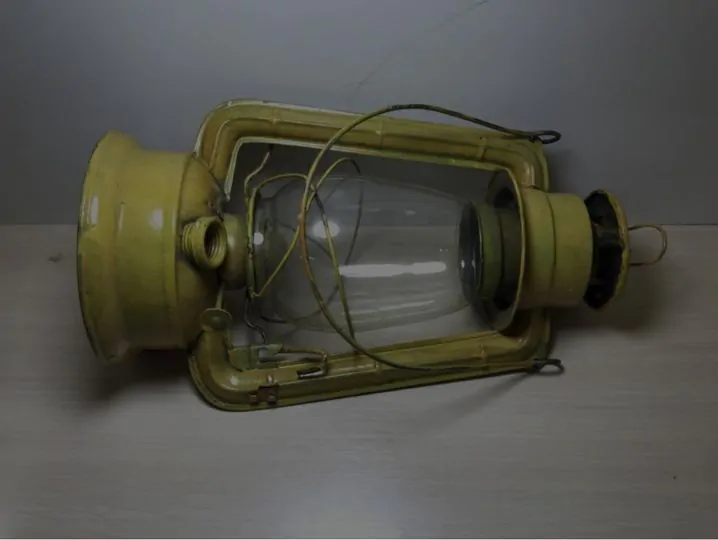
Oil lamps have illuminated our world for centuries, providing light in the darkness. They may have been inefficient and challenging to store, but these lamps brought brightness to our lives. Dr. Abraham Gesner, a medical doctor and geologist, discovered in 1846 that distilling coal produced a clear liquid that burned with a brilliant yellow flame. This liquid, which he named kerosene after the Greek word for “wax oil,” became a game-changer in lighting.
The modern kerosene lamp was invented by Ignacy Łukasiewicz, a Polish inventor, in 1853. Łukasiewicz opened the world’s first oil refinery and found that kerosene could be extracted from petroleum. This breakthrough made kerosene more affordable and accessible.
At the same time, American businessman Robert Dietz and his brother patented the first functional flat wick burner designed specifically for kerosene. These portable lamps had containers for kerosene, wicks or mantles for light sources, and glass globes or tubes for protection.
There were three types of kerosene lamps: lamps with flat wicks, lamps with tubular wicks, and lamps with mantles. Lamps with flat wicks used cotton as the wick material, with one end dipping into the kerosene container and a glass chimney providing protection. The flame in these lamps was fed by cold air while hot air rose above. Central draught kerosene lamps worked similarly, but they used tubular wicks for greater light output and required larger glass chimneys for proper airflow. Mantle lamps had a fabric net coated with thorium or other rare-earth salts above the flame, producing even brighter light. Dead flame lamps were non-portable variants of flat wick lamps.
Kerosene quickly replaced whale oil and became a revolution in artificial lighting after the American Civil War. John H. Irwin invented a coil oil lamp design in 1862 to be used with refined kerosene. This allowed lamps to be used indoors, leading to improved productivity in factories and extended operating hours for public spaces like oyster houses, theaters, museums, and shops.
In 1868, Irwin introduced the hot-blast design, also known as the “tubular lantern,” where hot air collected from above the flame was directed through metal tubes to make the flame burn brighter. A cold-blast design followed, drawing in cold air from around the top of the globe and passing it through metal tubes to the flame. This design produced even brighter light due to the ample oxygen in the cold air.
Kerosene’s popularity soared with the rise of oil refineries in the 19th century, and it became the go-to lighting method for lighthouses, locomotives, ships, and streets. It powered stoves, heaters, and helped farmers increase their productivity. While electricity slowly replaced kerosene in homes after Thomas Edison’s light bulb invention in 1879, many households worldwide still rely on kerosene for cooking, lighting, and heating.
Kerosene has come a long way and has found new uses. It is now used as a component of jet fuel and was once used by NASA to power rocket engines. In some homes today, kerosene lamps remain essential during power outages or natural disasters like floods, hurricanes, and tornadoes.
If you’re interested in learning more about our replacement parts for kerosene lamps or have any questions about this article, please reach out to Antique Lamp Supply. Our friendly customer service representatives are here to help you.

Dedicated to researching and publishing informative content related to gig work, freelance opportunities, remote jobs, online earning options, and career development. Committed to delivering accurate, reader-friendly, and useful information for individuals seeking flexible work opportunities.