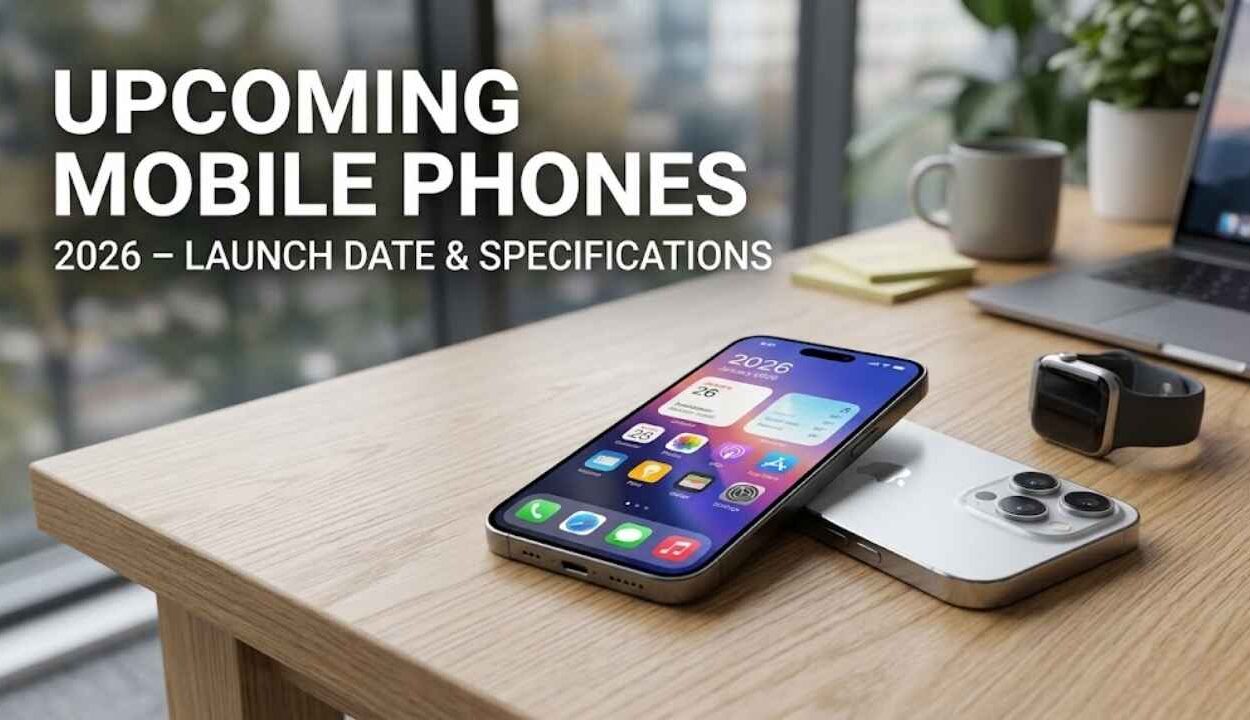
The smartphone industry continues to evolve rapidly, bringing advanced features, powerful processors, and innovative designs to consumers. In 2026, mobile phones are expected to focus on artificial intelligence, improved battery efficiency, and next-generation connectivity. Leading brands like Apple Inc., Samsung Electronics, and Xiaomi dominate the global and Indian markets with their flagship and budget-friendly devices.
The journey of mobile phones started with basic communication devices and has transformed into smart gadgets capable of handling complex tasks. Smartphones today serve as essential tools for communication, entertainment, business, and productivity. The increasing demand for high-performance devices has encouraged companies to invest heavily in research and development.
For more details:
- Wikipedia: https://en.wikipedia.org/wiki/Smartphone
- Careers Pages:
Top Upcoming Mobile Phones in 2026
The year 2026 is expected to bring several exciting smartphone launches across different price segments.
Expected Launch Highlights
- Flagship devices with AI-powered processors
- Foldable and rollable display smartphones
- Improved camera systems with advanced sensors
- Longer battery life with fast charging
Popular upcoming devices include:
- iPhone 17
- Samsung Galaxy S26
- Xiaomi 16 Pro
Competitors and Market Competition
The smartphone market is highly competitive, with brands constantly innovating to stay ahead.
Key Competitors
- Apple vs Samsung
- Xiaomi vs Realme
- OnePlus vs Oppo
Competition drives innovation, better pricing, and improved features for consumers.
Industry Investments and Expansion
Smartphone companies are investing heavily in:
- Artificial intelligence
- 5G and upcoming 6G technologies
- Semiconductor manufacturing
- Camera technology
Companies like Qualcomm play a key role in supplying processors for smartphones, enabling advanced performance and connectivity.
Manufacturing Plants and Production in India
India has become a major hub for smartphone manufacturing. Key locations include:
- Noida
- Chennai
- Bengaluru
Products Manufactured
- Smartphones
- Tablets
- Accessories
- Components
Manufacturing plants use automation and robotics to ensure high-quality production and efficiency.
Entry-Level Jobs in Mobile Manufacturing (Helper Roles)
The smartphone industry provides job opportunities for freshers and entry-level candidates.
Responsibilities
- Assisting in assembly lines
- Packaging and labeling
- Supporting technicians
- Maintaining production areas
Eligibility
- 10th or 12th pass
Age Limit
- 18 to 35 years
Skills Required
- Basic technical understanding
- Attention to detail
- Physical stamina
Salary Range
- ₹12,000 – ₹22,000 per month
Benefits
- Training programs
- Job stability
- Growth opportunities
Other Job Roles in Mobile Industry
Apart from helper roles, there are multiple career opportunities:
- Assembly line operator
- Quality control inspector
- Technician
- Warehouse staff
- Security guard
- Driver
These roles offer better salaries and career progression.
Salary Table for Mobile Industry Jobs
| Job Role | Monthly Salary (INR) |
|---|---|
| Helper | 12,000 – 22,000 |
| Technician | 20,000 – 50,000 |
| Quality Inspector | 25,000 – 60,000 |
| Engineer | 40,000 – 1,50,000 |
| Warehouse Staff | 15,000 – 30,000 |
Application Process for Mobile Jobs
Step 1: Visit Official Careers Pages
- Apple Careers
- Samsung Careers
- Xiaomi Careers
Step 2: Apply Through Job Portals
- Naukri
- Indeed
Step 3: Submit Application
- Upload resume
- Fill details
Step 4: Interview Process
- HR interview
- Technical interview
Step 5: Apprenticeships
Companies offer apprenticeship programs for freshers.
FAQs
What education is required?
10th, 12th, diploma, or degree
Is experience required?
Not mandatory for entry-level roles
Job type?
Permanent and contract
Work shifts?
Day and night shifts
Growth opportunities?
High with experience
Tips for Applicants
Verify Job Offers
Apply through official sources
Improve Skills
Learn basic electronics and assembly
Stay Fit
Important for factory work
Focus on Growth
Upgrade skills regularly
Expected Specifications of Upcoming Phones
| Feature | Details |
|---|---|
| Processor | AI-powered chipsets |
| Display | AMOLED / Foldable |
| Battery | 5000mAh+ |
| Camera | 200MP sensors |
| Connectivity | 5G / 6G ready |
Rise of Foldable and Smart Devices
Foldable smartphones are becoming popular due to their innovative design and functionality. In 2026, more brands are expected to launch foldable and rollable devices with improved durability and performance. These devices provide larger screen space while maintaining portability.
Role of Artificial Intelligence in Smartphones
AI is transforming smartphone capabilities by enabling features such as voice recognition, image processing, and predictive analysis. In 2026, AI-powered smartphones offer enhanced user experience and efficiency.
Growth of 5G and Future Connectivity
5G technology is expanding rapidly, providing faster internet speeds and improved connectivity. Future developments in 6G technology are expected to revolutionize communication further.
Camera Innovations in Smartphones
Smartphone cameras are improving with advanced sensors, AI processing, and enhanced zoom capabilities. In 2026, camera technology is a major factor influencing buying decisions.
Battery and Charging Technology
Battery performance is a key focus area for smartphone manufacturers. Fast charging and wireless charging technologies are improving, reducing charging time and increasing convenience.
Conclusion
The smartphone industry in 2026 is set to bring exciting innovations, from AI-powered devices to foldable smartphones. With increasing competition and technological advancements, consumers have access to better features and pricing. The industry also offers numerous job opportunities, especially for entry-level candidates. For both buyers and job seekers, the mobile phone sector presents strong growth potential and future opportunities.
Evolution of Smartphone Design Trends
Smartphone design has undergone a major transformation over the years, and in 2026 it continues to evolve with premium materials and innovative form factors. Manufacturers are focusing on slim designs, lightweight bodies, and durable finishes such as glass, aluminum, and eco-friendly materials. Edge-to-edge displays and minimal bezels have become standard across mid-range and flagship devices. Foldable and rollable designs are also gaining traction, offering users larger screens without compromising portability. Companies are investing in hinge technology and flexible displays to improve durability. Design aesthetics now play a crucial role in purchasing decisions, especially among younger consumers. Color variants, textures, and customization options are also becoming popular. With increasing competition, brands are differentiating themselves through unique design elements that combine functionality with style, ensuring that smartphones are not only powerful devices but also fashion statements.
Growth of Budget Smartphones in India
Budget smartphones remain a key segment in the Indian market, catering to price-sensitive consumers. In 2026, brands are offering high-end features such as large displays, multiple cameras, and fast processors even in affordable devices. This segment is highly competitive, with companies focusing on delivering value for money. Budget smartphones are widely used by students, first-time users, and rural consumers. The availability of financing options and online discounts further boosts sales. Manufacturers are also improving build quality and software performance in this segment. The demand for budget smartphones is expected to remain strong due to increasing internet penetration and digital adoption. This growth is creating opportunities for both manufacturers and job seekers in production and sales roles.
Flagship Smartphones and Premium Market
Flagship smartphones represent the highest level of innovation and performance in the industry. In 2026, these devices come with powerful processors, advanced camera systems, and premium build quality. Brands use flagship models to showcase their technological capabilities and attract high-end consumers. Features such as AI integration, enhanced security, and immersive displays are standard in this segment. Premium smartphones are often priced higher but offer superior performance and durability. The flagship segment also drives brand image and customer loyalty. As competition increases, companies are focusing on delivering unique features and improving user experience. The premium market continues to grow as consumers seek high-performance devices for both personal and professional use.
Importance of Processor Technology
| Processor Type | Performance Level | Usage |
|---|---|---|
| Entry-Level | Basic | Calls, browsing |
| Mid-Range | Moderate | Gaming, multitasking |
| Flagship | High | Advanced gaming, AI tasks |
Processors are the core component of smartphones, determining speed and performance. In 2026, chipsets are becoming more powerful and energy-efficient. Manufacturers collaborate with semiconductor companies to develop custom processors. Improved processing power enhances multitasking, gaming, and AI capabilities. Efficient processors also contribute to better battery life and overall performance.
Display Technology Advancements
Display technology is a major factor influencing smartphone purchases. In 2026, AMOLED and OLED displays dominate the market, offering vibrant colors and high contrast. High refresh rates such as 120Hz and 144Hz provide smoother scrolling and gaming experiences. Foldable displays are also improving in durability and performance. Manufacturers are focusing on reducing power consumption while maintaining display quality. Screen protection technologies are evolving to prevent damage and scratches. The demand for larger and better displays continues to grow, especially for entertainment and gaming purposes. Display innovations are enhancing user experience and setting new standards in the smartphone industry.
Expansion of Gaming Smartphones
Gaming smartphones are gaining popularity among users who enjoy mobile gaming. In 2026, these devices come with powerful processors, advanced cooling systems, and high refresh rate displays. Gaming phones are designed to handle heavy graphics and provide smooth performance. Manufacturers are adding features such as dedicated gaming modes, enhanced audio systems, and customizable controls. The rise of mobile gaming has increased demand for such devices. Gaming smartphones are also attracting content creators and streamers. This segment is expected to grow further as mobile gaming becomes more mainstream.
Camera Technology and Photography Trends
Smartphone cameras have become a key selling point in 2026. Manufacturers are focusing on improving image quality, low-light performance, and video capabilities. Multiple camera setups, including ultra-wide, telephoto, and macro lenses, provide versatility. AI-powered image processing enhances photo quality automatically. High-resolution sensors and advanced stabilization technologies are improving photography and videography. Social media usage has increased the demand for high-quality cameras. Camera innovations continue to drive competition among smartphone brands.
Battery Efficiency and Power Management
Battery life is a critical factor for smartphone users. In 2026, manufacturers are focusing on improving battery capacity and efficiency. Fast charging and wireless charging technologies are becoming standard features. Power management systems optimize battery usage, extending device life. Efficient batteries reduce the need for frequent charging, improving user convenience. Companies are also exploring new battery technologies to enhance performance and safety.
Software and User Interface Enhancements
Software plays a crucial role in smartphone performance and user experience. In 2026, operating systems are becoming more user-friendly and feature-rich. Custom user interfaces offer unique experiences across different brands. Regular software updates ensure security and performance improvements. AI integration enhances personalization and efficiency. Software optimization improves device performance and battery life.
Security Features in Smartphones
Security is a major concern for smartphone users. In 2026, devices come with advanced security features such as facial recognition, fingerprint sensors, and encryption technologies. Biometric authentication ensures data protection and privacy. Manufacturers are also focusing on secure payment systems and data protection. Security features are becoming a key factor in purchasing decisions.
Role of E-commerce in Smartphone Sales
E-commerce platforms play a significant role in smartphone sales. In 2026, online platforms offer competitive pricing, discounts, and easy delivery options. Customers can compare features and prices before making a purchase. Online reviews and ratings help buyers make informed decisions. E-commerce growth has increased accessibility and convenience for consumers.
Offline Retail and Customer Experience
Offline retail stores continue to play an important role in smartphone sales. Customers prefer to experience devices physically before purchasing. Retail stores provide personalized assistance and after-sales support. Brands are investing in exclusive stores to enhance customer experience. Offline and online channels together contribute to overall sales growth.
Global Supply Chain and Production
The smartphone industry relies on a complex global supply chain. In 2026, manufacturers source components from different countries and assemble devices in major production hubs. Efficient supply chain management ensures timely production and delivery. Companies are focusing on reducing dependency on single suppliers to avoid disruptions.
Role of Research and Development
Research and development are essential for innovation in the smartphone industry. Companies invest heavily in R&D to develop new technologies and improve existing features. Continuous innovation helps brands stay competitive and meet consumer expectations. R&D efforts drive advancements in design, performance, and functionality.
Impact of Inflation on Smartphone Prices
Economic factors such as inflation affect smartphone pricing. In 2026, rising costs of components and production influence retail prices. Manufacturers balance pricing strategies to remain competitive while maintaining profitability. Consumers are becoming more price-conscious, leading to increased demand for value-for-money devices.
Growth of Refurbished Smartphone Market
Refurbished smartphones are gaining popularity due to affordability and sustainability. In 2026, certified refurbished devices offer quality assurance and lower prices. This segment provides cost-effective options for consumers and reduces electronic waste. The refurbished market is expected to grow significantly.
Environmental Sustainability in Manufacturing
Sustainability is becoming a priority for smartphone manufacturers. Companies are adopting eco-friendly practices such as using recycled materials and reducing carbon emissions. In 2026, sustainability initiatives are influencing consumer choices and brand reputation. Environmental responsibility is essential for long-term growth.
Role of Customer Feedback in Product Development
Customer feedback plays a crucial role in improving smartphone products. In 2026, companies use feedback to identify issues and enhance features. Online reviews and surveys provide valuable insights into user preferences. Feedback-driven development ensures better products and customer satisfaction.
Growth of Wearable Integration
Smartphones are increasingly integrated with wearable devices such as smartwatches and fitness bands. In 2026, seamless connectivity enhances user experience and functionality. Integration allows users to monitor health, receive notifications, and control devices efficiently. This trend is expanding the ecosystem of connected devices.
Importance of Brand Loyalty
Brand loyalty influences purchasing decisions in the smartphone market. In 2026, customers prefer brands that offer reliability, quality, and good after-sales service. Loyalty programs and consistent performance help retain customers. Strong brand loyalty contributes to long-term success.
Future of Smartphone Industry
The future of the smartphone industry looks promising with continuous innovation and technological advancements. Emerging technologies such as AI, augmented reality, and advanced connectivity will shape the next generation of devices. Companies that focus on innovation and customer satisfaction will lead the market.